
Wilmington, NC · Services
One standard of care. Every way in.
Every service on this page runs through the same evaluation, the same Doctor of Physical Therapy, and the same plan with an endpoint. The service is the tool; the standard is what doesn’t change.
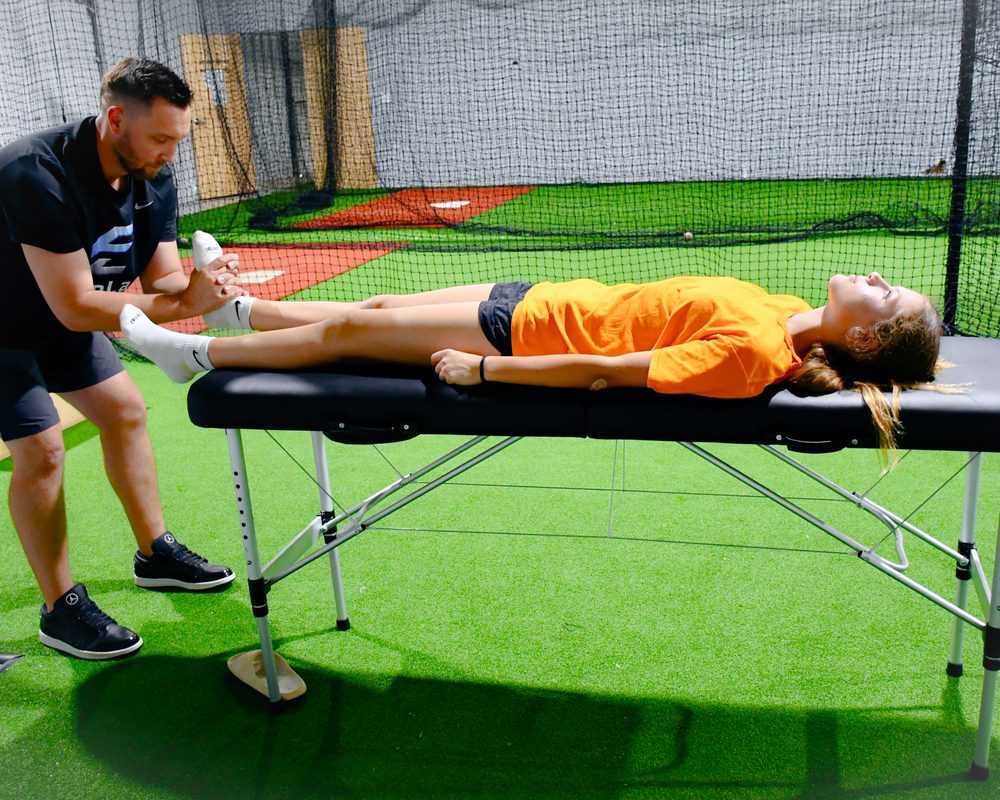
Most people don’t arrive already knowing which of these they need. That’s fine. Deciding is our job, not yours, and it happens at the evaluation, not on this page. Every visit starts the same way regardless of which service you eventually land on: a cause-first evaluation with a Doctor of Physical Therapy, one-on-one, that finds the reason for the problem instead of guessing at the symptom.
From there, care moves through four named phases, Pain, Prime, Perform, Prevent, and every service below exists to do a job inside that plan. Physical therapy is usually the foundation, the service most people start and finish on. Baseball and softball rehab, and return to sport, are where the deepest specialty lives, built by a former college player who has worked with MLB organizations, though the same cause-first standard serves any patient walking through the door. Manual therapy, dry needling, and the other hands-on tools get brought in when the plan calls for them, never sold as a separate errand. Return to sport and performance training are what the plan becomes once the pain’s handled and the goal shifts to getting back out there, or staying out there longer than you did last time.
Guessing which service you need on your own tends to cost you a few wasted weeks: the strength program aimed at the wrong joint because nobody tested the one above and below it first, the technique tried before the cause was actually found. An evaluation skips that guessing. It also means you’re never signed up for a service in isolation. Every tool on this page answers to the same plan, the same doctor, and the same endpoint, whichever door you happen to walk through first.
The index.
Every door into the same standard. Read the summaries, or skip them; the evaluation decides either way.
Physical Therapy
Hands-on, cause-first care for pain that’s overstayed its welcome. This is the foundation nearly everyone starts on, and for most people it’s the entire plan. Your evaluation finds the actual source of the problem, not just where it hurts, and treatment begins that same visit. From there you move through Pain, Prime, Perform, and Prevent at your own pace, with a Doctor of Physical Therapy running every session personally. No referral required to start, and no guessing about when it ends: the endpoint is named at evaluation and reviewed with you at every phase.
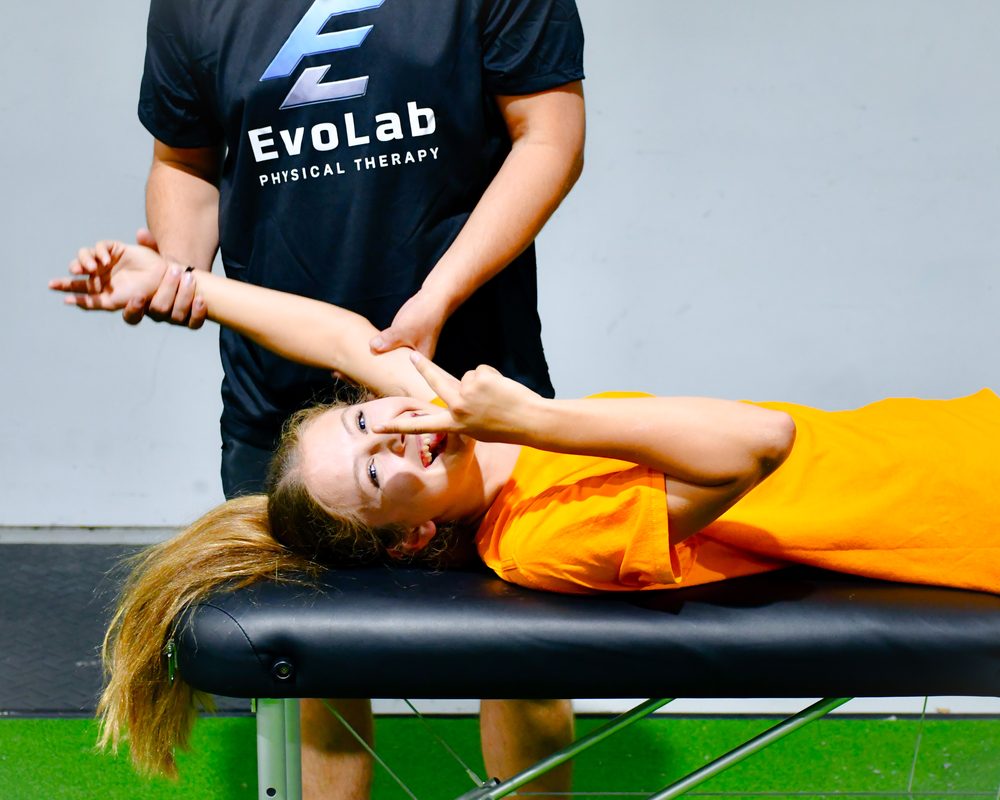
Baseball Rehab
Throwing-arm and swing-mechanics care from a former college player who has worked with MLB organizations and professional players. The evaluation starts from an understanding of what a throw and a swing actually ask of your body, not a protocol borrowed from a different sport, with a return-to-throw progression built around your position and your season.
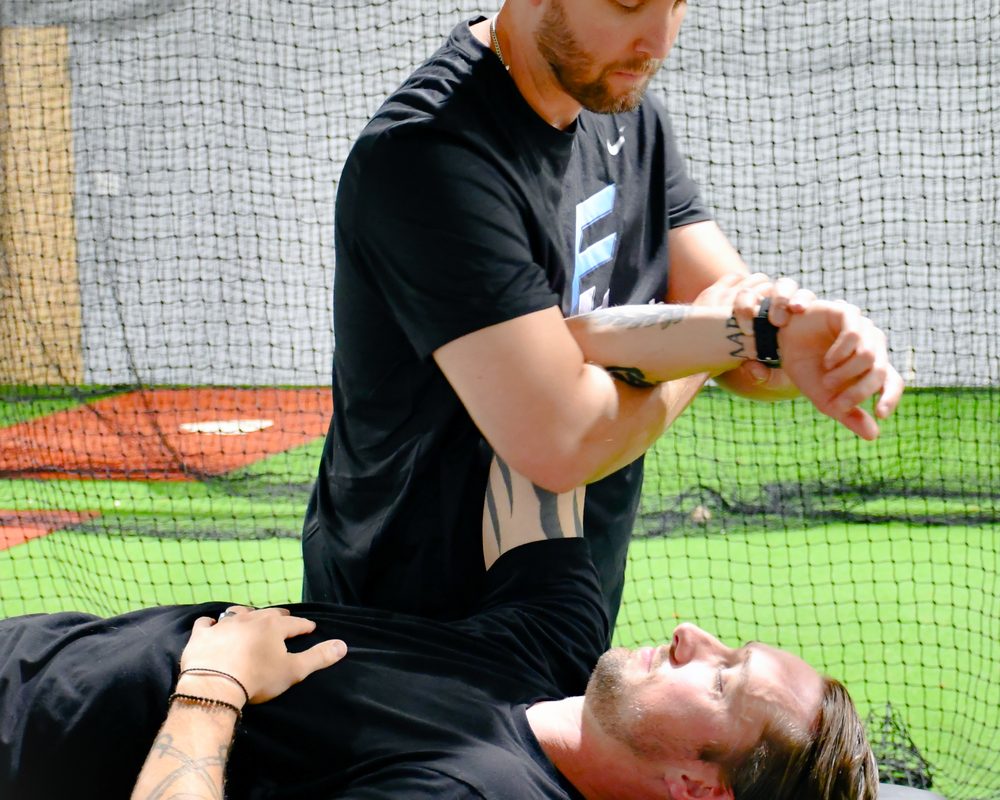
Softball Rehab
Care built around the windmill pitching motion and hitting mechanics specifically, not a baseball protocol relabeled for a different sport. The windmill delivery loads the shoulder and hip on a different plane than an overhand throw, and the evaluation reflects that difference.
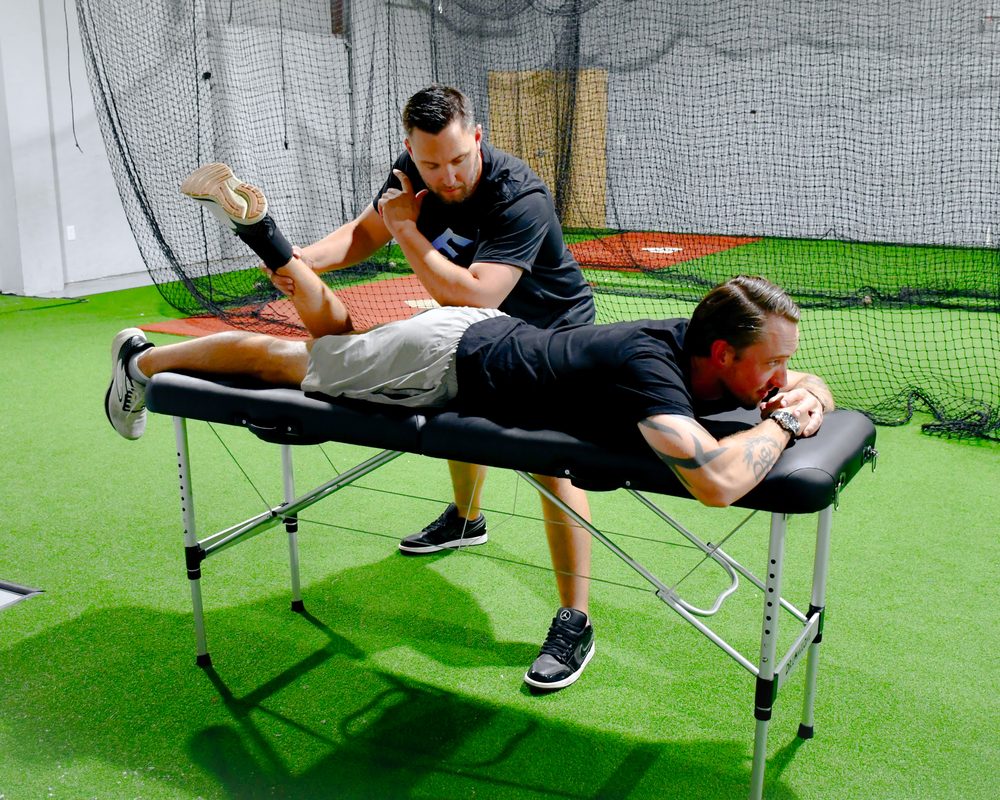
Return to Sport
Clearance testing you have to pass, not a date circled on a calendar. Baseball and softball are where the deepest background is, but the same standard, strength ratios, hop and landing tests, movement screens under fatigue, applies to any sport you’re working to get back to.
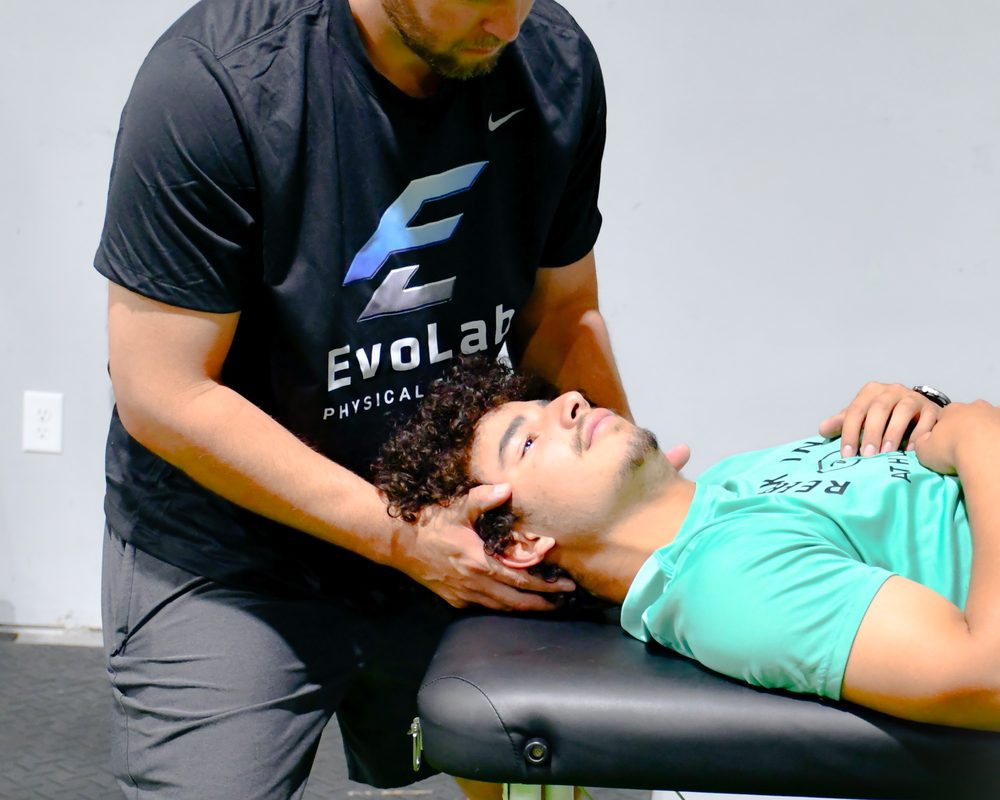
Manual Therapy
Hands-on joint and soft-tissue work, built into your evaluation from the first visit, not a separate add-on. It’s the foundation a cause-first plan runs on: finding and releasing the specific restriction feeding your pain, whichever phase of care you’re in.
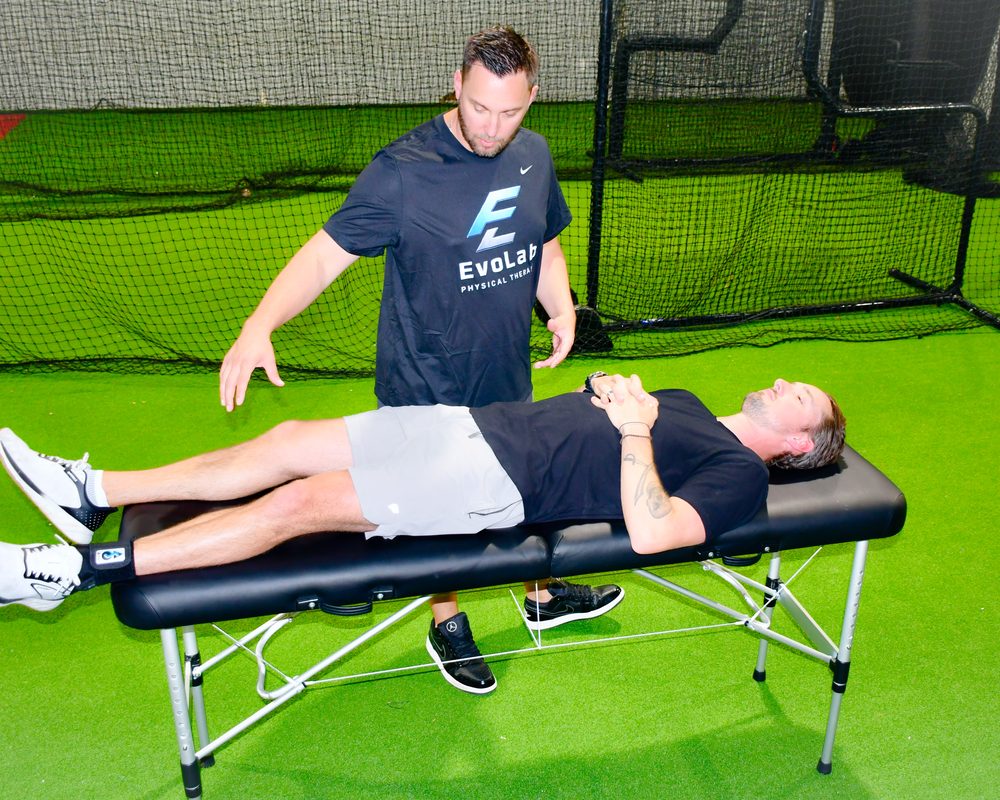
Dry Needling
Precise, targeted work for the knot that’s set up permanent residence since spring. Dry needling uses a thin filament needle to release the muscle tissue and trigger points that stretching and time alone haven’t touched. It’s a tool inside a larger plan, not a standalone appointment, used when the evaluation points there.
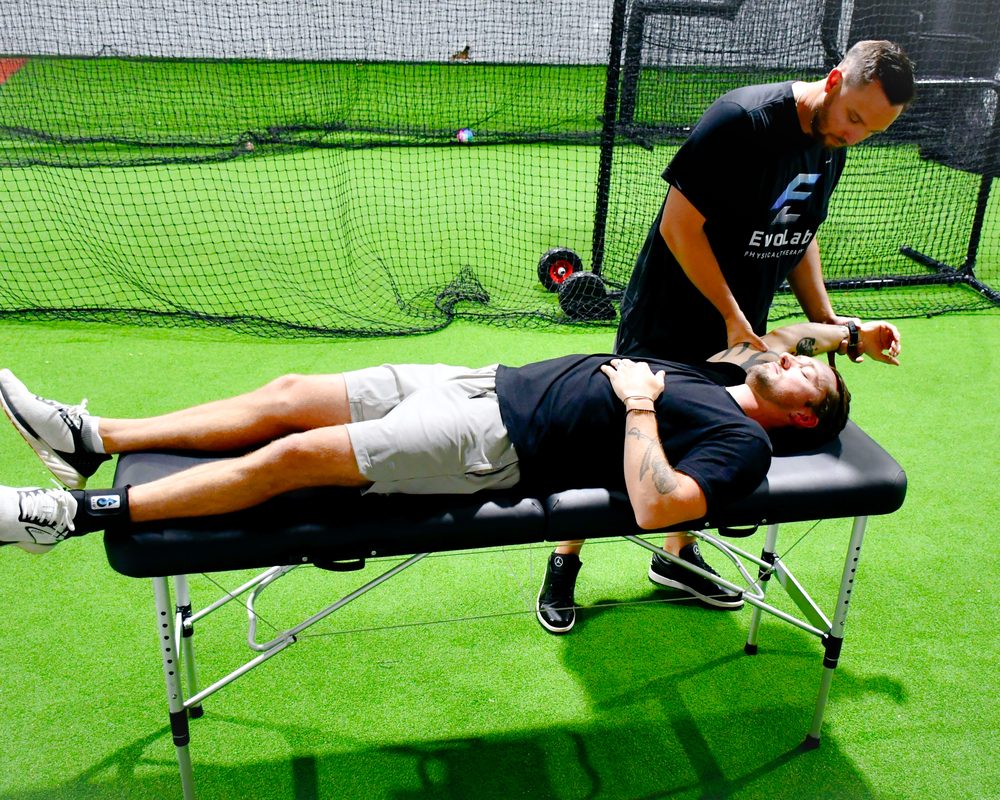
Performance Training
Screens, strength, and mobility programming aimed at the injury that hasn’t happened yet. Performance training is where Prevent lives once your pain is handled: a doctor-designed program built off your actual movement screen, not a generic sheet handed to everyone who walks in.
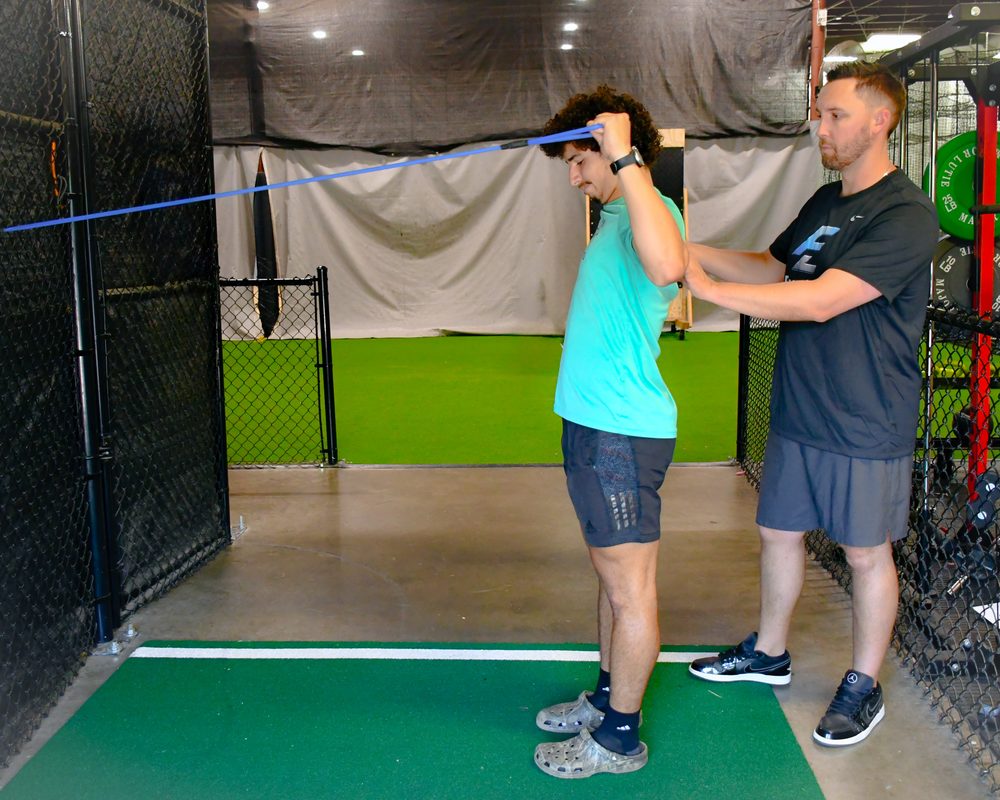
Active Release Technique
Movement-based soft tissue work for the adhesion or scar tissue that’s quietly limiting how a muscle, tendon, or nerve is supposed to glide. A tool inside a cause-first plan, brought in when the evaluation points there, never a treatment on its own.
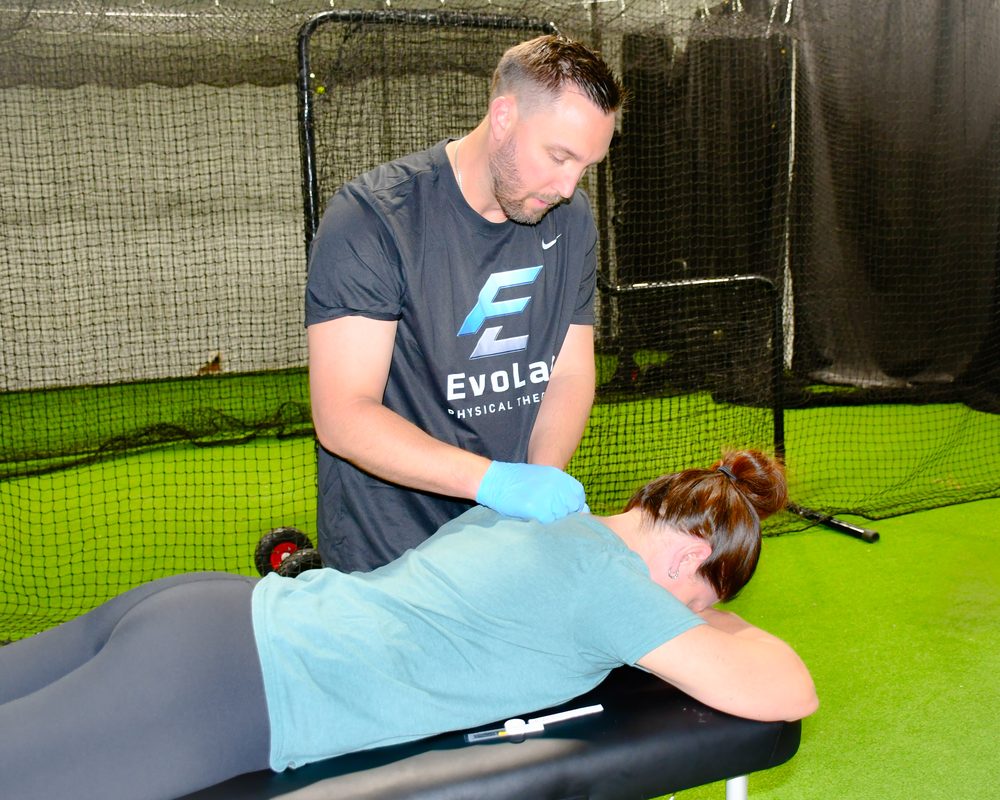
Blood Flow Restriction
A way to keep building real strength while a joint or repaired tissue still isn’t ready for heavy load, using a specialized cuff so lighter weight can train like a heavier one. Always dosed and monitored inside your plan.
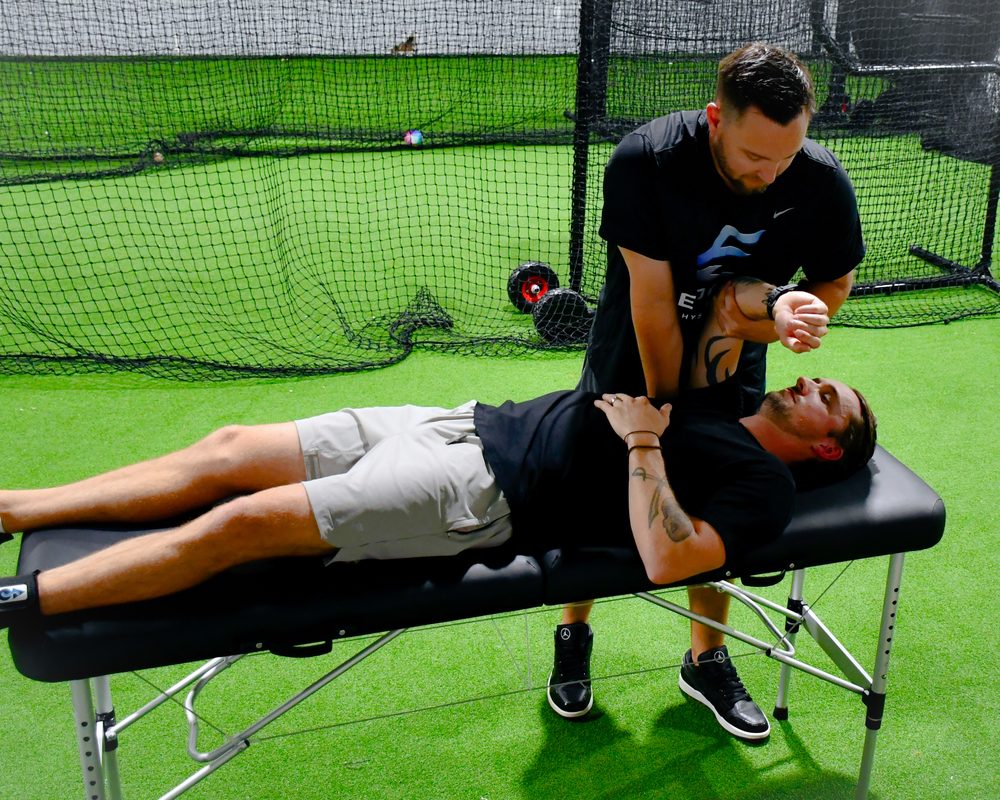
Cupping
Negative-pressure work that lifts restricted tissue instead of compressing it, reaching adhesions and tightness that pressure alone often can’t. Brought in when the evaluation calls for it, paired with the manual therapy and exercise doing the rest of the work.
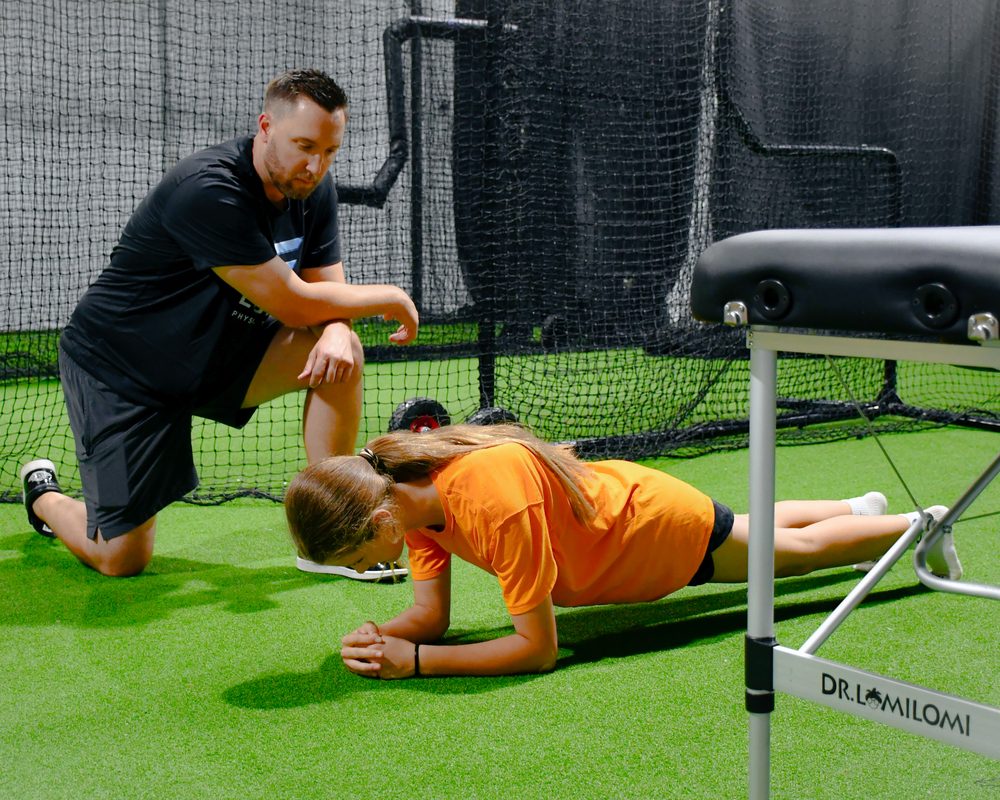
IASTM
Instrument-assisted soft tissue work that finds restrictions a hand alone can miss and treats them with precision, using specialized tools to locate and release scar tissue and fascial adhesions inside your plan.
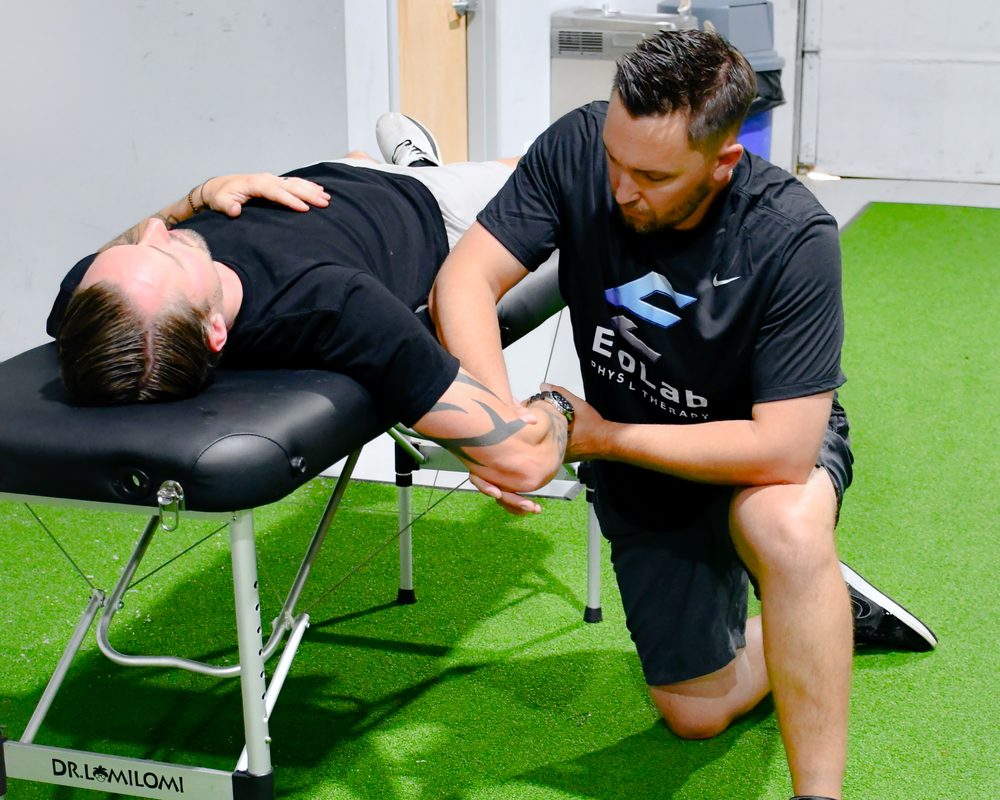
Spinal Manipulation
A quick, targeted movement to restore motion in a spinal joint that’s stopped moving the way it should, easing pain fast when a segment is the actual cause. Performed only when the evaluation identifies it as the right tool.
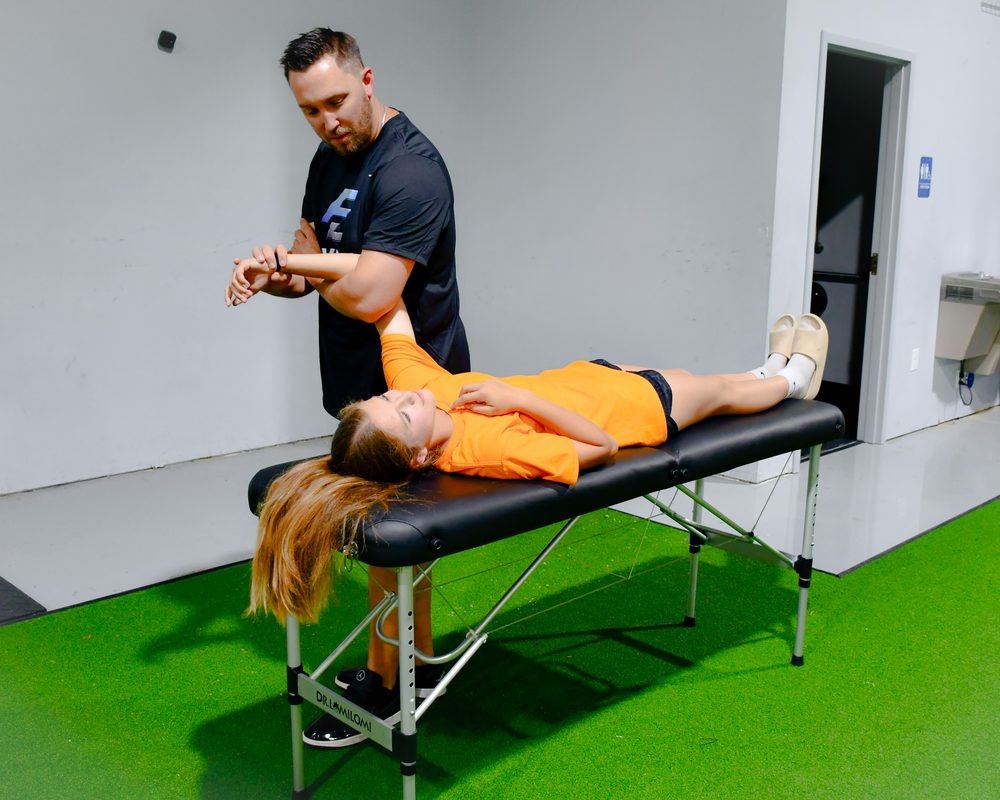
Injury Prevention
A movement screen aimed at the injury that hasn’t happened yet, built off your actual movement, not a generic sheet. Useful for a thrower whose shoulder hasn’t hurt yet, a runner whose knee feels unreliable, or anyone done being surprised by their own body.
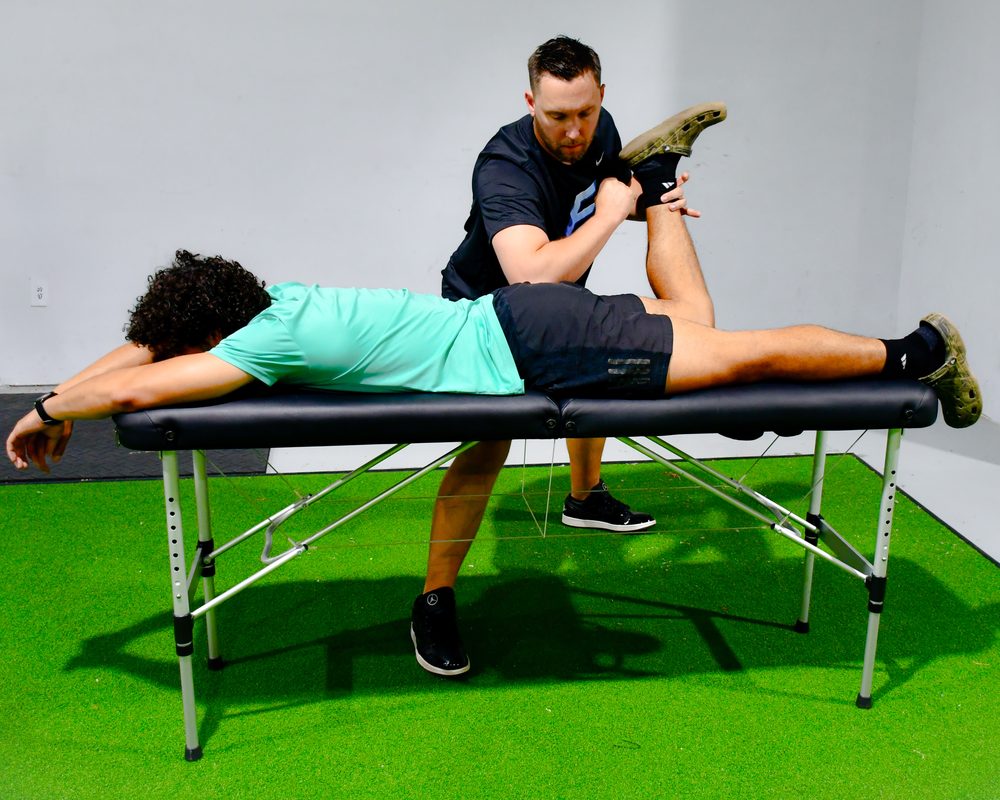
Post-Op Rehab
A plan built inside your surgeon’s protocol, with an endpoint you understand from the first visit. Joint replacements, ligament repairs, and general orthopedic procedures all move through the same cause-first, phase-based approach.
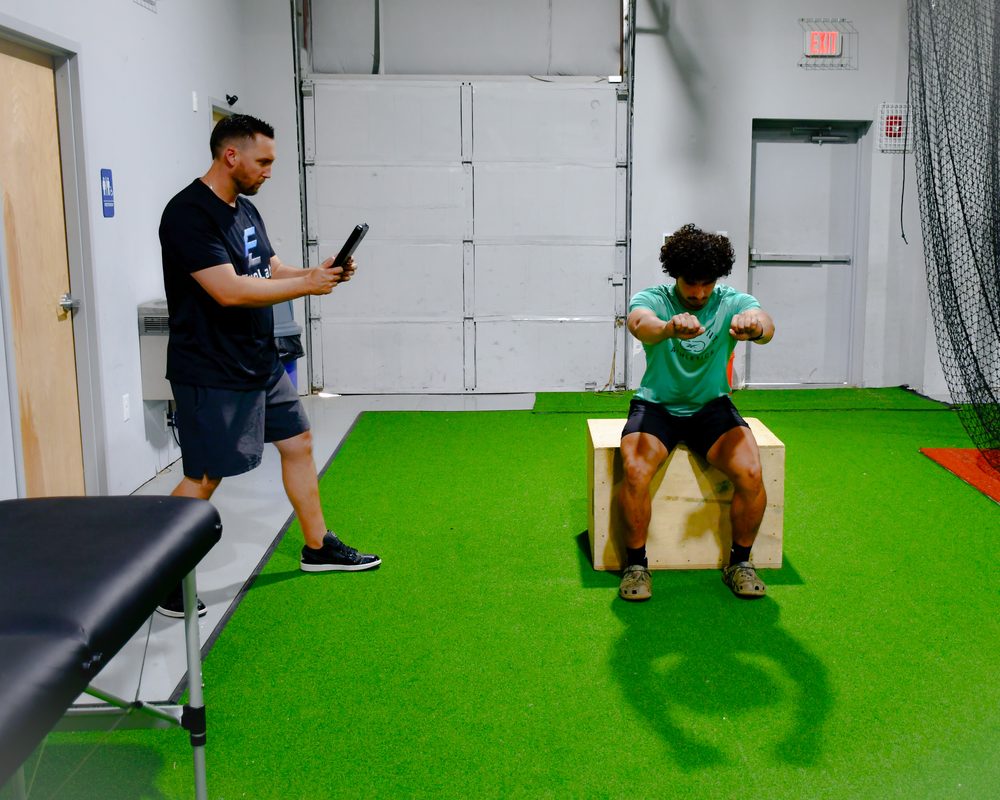
Not sure which one is yours.
Here’s the honest version: you don’t need to know. The people who end up on this page usually aren’t trying to self-diagnose between “return to sport” and “performance training,” they’re just trying to stop guessing and start somewhere. That’s exactly what the evaluation is for. Talk to a specialist, describe what’s going on in your own words, and your Doctor of Physical Therapy routes you to the right service, or the right combination of two or three, before you’ve spent a dollar guessing on your own.
A rough starting point, if you want one: pain that’s new or that’s been nagging for weeks usually starts with physical therapy. A throwing shoulder or elbow that’s baseball or softball related starts with the position-specific rehab pages. An old injury or a return to any sport starts with return to sport. A single stubborn knot that hasn’t responded to anything else is a dry needling or manual therapy conversation. General maintenance and injury-proofing lives in performance training or injury prevention. But treat that as a guess, not a diagnosis, the same way we would; the evaluation is what actually decides it; the paragraph above is just a place to start the sentence when you call.
If you already know your symptom better than the service you need, start on What We Treat ⟶ instead and work backward from there.
Put it in writing.
Five short questions. A real person calls you back, usually within two business hours, with times that fit your week.
The people who end up filling this out are rarely in the worst pain of their life. They’re just done working around it, done picking the errand that doesn’t require the stairs. If that’s the stage you’re at, this is the part where you stop researching and start.
Consider it filed.
A real person will call you back, usually within two business hours, with appointment times that fit your week. Keep your phone nearby.
Can’t wait? Call (910) 218-8108 ⟶Easy to find. Easy to park.
In the neighborhood, with parking by the door. Come see the place before you commit, if you like.
The clinic · EvoLab Physical Therapy
Get Directions ⟶Opens in Google Maps